
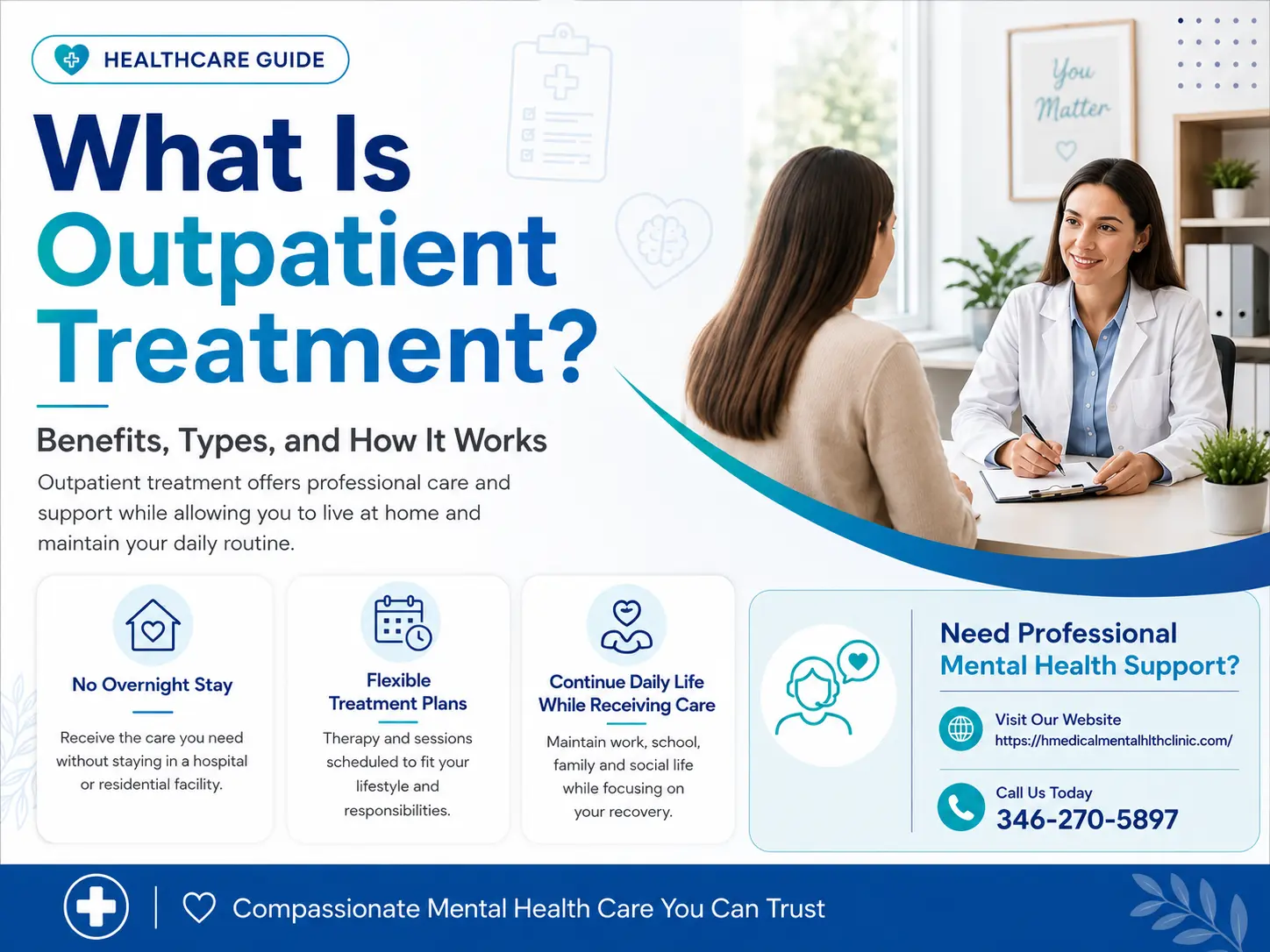
What Is Outpatient Treatment? Benefits, Types, and How It Works
Outpatient treatment refers to a type of healthcare where patients get the medical, mental health, or addiction support they need but don't have to stay overnight in a hospital. Instead, they come in for appointments, receive care, and return home the same day. This model has become a cornerstone in modern healthcare, offering flexibility while still delivering high-quality services for a variety of conditions.
For folks juggling busy lives or dealing with family commitments, outpatient care means you can keep up with your daily responsibilities while getting the help you need. It’s especially popular for mental health, substance use recovery, and ongoing medical care. This guide digs into what outpatient treatment involves, who it’s right for, and how it stacks up against inpatient care.
We'll lay out the benefits, the different types of programs available, how the process works, what success looks like in the real world, and even explore technology and insurance tips. Houston Medical-Mental Health Clinic puts a special focus on blending medical and mental healthcare under one roof, making it easier to access tailored, compassionate treatment in Houston and across Texas.
Understanding Outpatient Treatment Programs
Outpatient treatment, in simple terms, means getting help for your health or mental health struggles during scheduled visits, without having to check into a hospital overnight. Unlike inpatient programs—where you stay at the facility day and night until discharged—outpatient programs let you go home after each appointment. You pick up treatment, counseling, or medication management and then head back to your regular routine.
This kind of care is all about flexibility and maintaining independence. People can keep working, looking after family, and living their lives while tackling their health concerns one step at a time. For many, that’s not just convenient—it’s the only way they can realistically get treatment without major disruptions.
Common reasons for choosing outpatient care include managing a chronic condition (like diabetes or asthma), getting psychiatric support for anxiety or depression, and working through addiction recovery. People who don’t need 24/7 care or who have responsibilities at home often find outpatient programs a perfect fit.
Outpatient care is also a solid option for those stepping down from a hospital stay (called a “step-down” approach), or anyone looking for professional help before problems become severe enough to require hospitalization. With support tailored to your specific situation, outpatient programs bridge the gap between home life and expert care.
Key Benefits of Outpatient Treatment
- Flexible Scheduling: You can often choose appointment times that don’t clash with work, school, or family commitments. No need to put your entire life on pause just to seek help.
- Stay Connected to Family and Community: Outpatient treatment lets you stay close to loved ones, which can be a huge source of support and motivation during recovery. You don’t have to miss out on important events or family time.
- Maintain Your Privacy: Some folks worry about stigma. Outpatient programs allow more discretion since there’s no need for an extended absence from home or explanations for hospital stays.
- Lower Costs: Because you’re not paying for overnight stays or hospital amenities, outpatient care is generally more affordable. Many insurance plans offer good coverage for these services.
- Real-World Application: This approach lets you practice new skills in your real environment. For example, patients recovering from addiction can immediately apply coping strategies at home or work, helping with long-term success.
- Access to a Wide Range of Services: Outpatient clinics, especially in Texas, can provide everything from physicals to counseling, medication management, and group support—which means there’s often one spot for all your needs.
- Continuous Support Without Disruption: If you have responsibilities that can’t wait—like paying bills, raising kids, or taking care of aging parents—outpatient care keeps you in the game while you get healthy.
Types of Outpatient Programs Available
There’s no one-size-fits-all when it comes to outpatient treatment. Depending on your needs—or those of a loved one—you’ll find a range of program types that cover medical, psychiatric, and addiction-related care. Each type targets different challenges and offers specific kinds of support, all without the need for lengthy hospital stays.
Some programs focus on routine medical issues, like chronic disease management or preventive checkups. Others zone in on mental health with therapy, medication management, or counseling sessions. Addiction recovery programs offer specialized approaches for substance use disorders, including both talk therapy and medication-assisted strategies.
The purpose of this section is to give you a high-level view of the landscape. Whether you’re dealing with diabetes, depression, or drug recovery, there’s likely an outpatient option that fits. The next few sections will unpack what each program involves, who might benefit, and what makes each approach unique.
By knowing what’s out there, you’ll be in a stronger position to make informed decisions about your care, or to help someone close to you find the right path forward in Houston or beyond.
Medical Outpatient Care
- Physical Exams and Wellness Visits: Routine checkups to monitor health, manage medications, and catch issues before they become bigger problems.
- DOT Physicals: Required exams for commercial drivers and others who need to meet regulatory standards for work.
- Vaccinations: Annual flu shots, COVID-19 vaccines, and immunizations to keep you and your community healthy.
- Chronic Disease Management: Ongoing care for conditions like diabetes, high blood pressure, or asthma—so patients avoid unnecessary ER visits or hospital stays.
Psychiatric and Behavioral Health Outpatient Programs
- Individual Therapy: One-on-one counseling to address anxiety, depression, trauma, or stress through talk therapy sessions with a licensed professional.
- Medication Management: Outpatient visits help monitor and adjust psychiatric medications to find the right balance with fewer side effects.
- Behavioral Evaluations: Comprehensive assessments for ADHD, bipolar disorder, and other conditions help create customized care plans.
- Group Therapy: Support sessions where individuals share experiences and coping strategies, building community strength and mutual accountability.
- Integrated Dual Diagnosis Care: Under one roof, patients can address both mental health and substance use struggles—an approach the Houston Medical-Mental Health Clinic specializes in for seamless, whole-person care.
Outpatient Addiction and Substance Use Treatment
- Medication-Assisted Treatment (MAT): Combines FDA-approved medications with counseling for opioid, alcohol, or other substance use disorders.
- Therapy & Counseling: Regular sessions (individual or group) help address root causes and build long-term recovery skills.
- Dual-Diagnosis Treatment: Integrated care for people with both substance use issues and mental health conditions, tailored for stronger recovery outcomes.
- Relapse Prevention Planning: Practical strategies to handle triggers and maintain progress after leaving more intensive programs.
How Does Outpatient Treatment Work?
When you’re thinking about outpatient care, it helps to know what the journey looks like from day one. Outpatient programs are designed to get you in, get you the care you need, and keep you connected with support—without turning your life upside down.
The process starts with scheduling. Many clinics (including those in Houston) work hard to make this easy, offering quick appointments and flexible options—sometimes even same-day. After scheduling, you’ll go through an admission and assessment process, where the provider gets to know your health story, gathers important info, and works with you on a treatment plan.
That plan is built just for you. It could include regular therapy, medical checkups, medication management, or group support. Progress isn’t one-and-done; clinics often set up goals and follow-ups to make sure you’re able to apply what you learn to your day-to-day life.
Coming up, we’ll walk through each piece—getting you ready for what to expect, how to prepare for appointments, and how clinics like Houston Medical-Mental Health help keep the ball rolling, every step of the way.
First Steps in Outpatient Care
- Easy Scheduling Options: Most clinics let you book appointments online or over the phone—sometimes with same-week or even same-day slots.
- Virtual or In-Person Visits: Choose what suits you best—many clinics offer both, depending on your needs and comfort.
- Appointment Reminders: Texts or calls keep you on track, so nothing slips through the cracks in your busy week.
- Getting Ready: Gather your medical history, questions you want answered, and a list of current medications or problems to make your first visit the most productive possible.
The Outpatient Assessment Process
- Initial Assessment: The provider reviews your medical history, symptoms, and any previous treatments to understand your needs.
- Provider Matching: You’ll be paired with specialists who are best equipped for your health goals—whether that’s a doctor, nurse practitioner, or licensed therapist.
- Treatment Planning: Together, you’ll outline next steps—setting short- and long-term goals that reflect your situation.
- Bring the Right Documents: Make sure to bring insurance info, ID, a medication list, and any recent medical records to streamline your start.
- Teamwork and Confidentiality: Everything’s handled with care and discretion, involving you in every decision about your health.
Personalized Treatment Plan and Follow-Up
- Custom Goal Setting: Your treatment plan is tailored around your health, preferences, and pace—you won’t get a cookie-cutter approach.
- Progress Tracking: Regular check-ins and tools let you and your care team see how you’re moving toward your goals over time.
- Routine Appointments: Scheduled visits—whether virtual or in-person—keep you connected to providers, ensuring ongoing support and adjustments as needed.
- Continuity of Care: Plans include reminders, educational resources, and sometimes access to digital platforms, so you stay engaged in your progress between visits.
Success Rates and Long-Term Outcomes in Outpatient Care
When folks start outpatient treatment—no matter if it’s medical, mental health, or addiction-focused—they want to know: does it actually work? How do you gauge if you’re on the right path? This section lays out the real-world facts and figures around outpatient program effectiveness, so you can see how they stack up in the long run.
Looking at things like relapse rates, treatment completion, and sustained improvements, experts use definitive evidence to track what matters most: results. You’ll also learn about what makes these outcomes better or worse, from patient engagement to aftercare follow-up.
The next sections shine a light on both the statistics you should know and the real-world factors that can help or hurt long-term recovery. With this info, you’ll be able to make more informed decisions—whether you’re starting a program yourself or looking out for someone you care about.
No sugarcoated promises here—just a balanced look at what works, what doesn’t, and where outpatient care offers genuine hope for long-lasting change.
What Influences Long-Term Recovery Success?
- Patient Engagement: Showing up regularly and participating in sessions is strongly linked to better outcomes and lasting change.
- Family and Social Support: Involvement from loved ones—whether in group sessions or just offering encouragement—makes a big difference over the long haul.
- Co-Occurring Conditions: Addressing both mental health and substance issues together (dual diagnosis) is vital for sustainable recovery.
- Aftercare and Follow-Up: Regular check-ins post-treatment catch warning signs and offer continued guidance, lowering relapse rates.
- Access to Resources: Easy access to therapy, medication, and support groups helps maintain progress—especially in underserved areas.
Telehealth Options in Outpatient Care
Technology has completely shaken up healthcare in recent years, especially when it comes to outpatient services. Telehealth and digital platforms have opened doors for folks who can’t easily make it into a Houston clinic—whether due to distance, transportation challenges, or just a packed calendar.
Virtual therapy, online support groups, mental health apps, and real-time remote check-ins let people receive care from the comfort of home. This has proved especially vital for busy adults, caregivers, and those in rural Texas areas where specialists aren’t always close by.
It isn’t just about convenience; technology is making outpatient care more accessible, efficient, and sometimes less intimidating for people who might hesitate to seek in-person help. Coming up, you’ll see what types of tech-enabled options are out there and how to weigh the benefits versus possible drawbacks of digital-first outpatient programs.
From video visits to mobile apps, the way we access healthcare is evolving. Patients have more choices than ever, and this section helps you figure out what options line up best with your needs and lifestyle.
Conclusion
Outpatient care allows you to heal and grow without placing your life on hold. At Houston Medical-Mental Health Clinic, we bring primary care, psychiatric services, and therapy together under one roof to deliver seamless outpatient treatment tailored to you. Whether through in-person visits in Houston or secure telehealth consultations across Texas, taking charge of your health has never been more accessible.
Frequently Asked Questions (FAQs):
1. What is outpatient treatment?
Outpatient treatment is a form of medical, mental health, or substance abuse care where patients receive structured therapy, medical check-ups, and support services while living at home. Unlike inpatient care, patients do not stay overnight at a hospital or residential facility.
2. How does outpatient treatment work day-to-day?
You attend scheduled clinical appointments at a medical clinic, doctor's office, or mental health facility. Depending on your care plan, sessions may include individual counseling, medication management, group therapy, or psychiatric evaluations. Once your daily scheduled care is finished, you return home or back to your routine.
3. How do I know if outpatient care is right for me or if I need inpatient care?
Outpatient treatment is ideal for individuals who are medically stable, not in an immediate safety crisis, and have a safe, supportive living environment. If someone requires round-the-clock medical supervision, detox support, or 24/7 crisis stabilization, an inpatient or residential program is usually recommended first.
4. Can I do outpatient treatment via telehealth or online visits?
Yes, many clinics offer virtual outpatient visits for individual counseling, psychiatric evaluations, and medication management, making care accessible from home across state or regional service areas.