
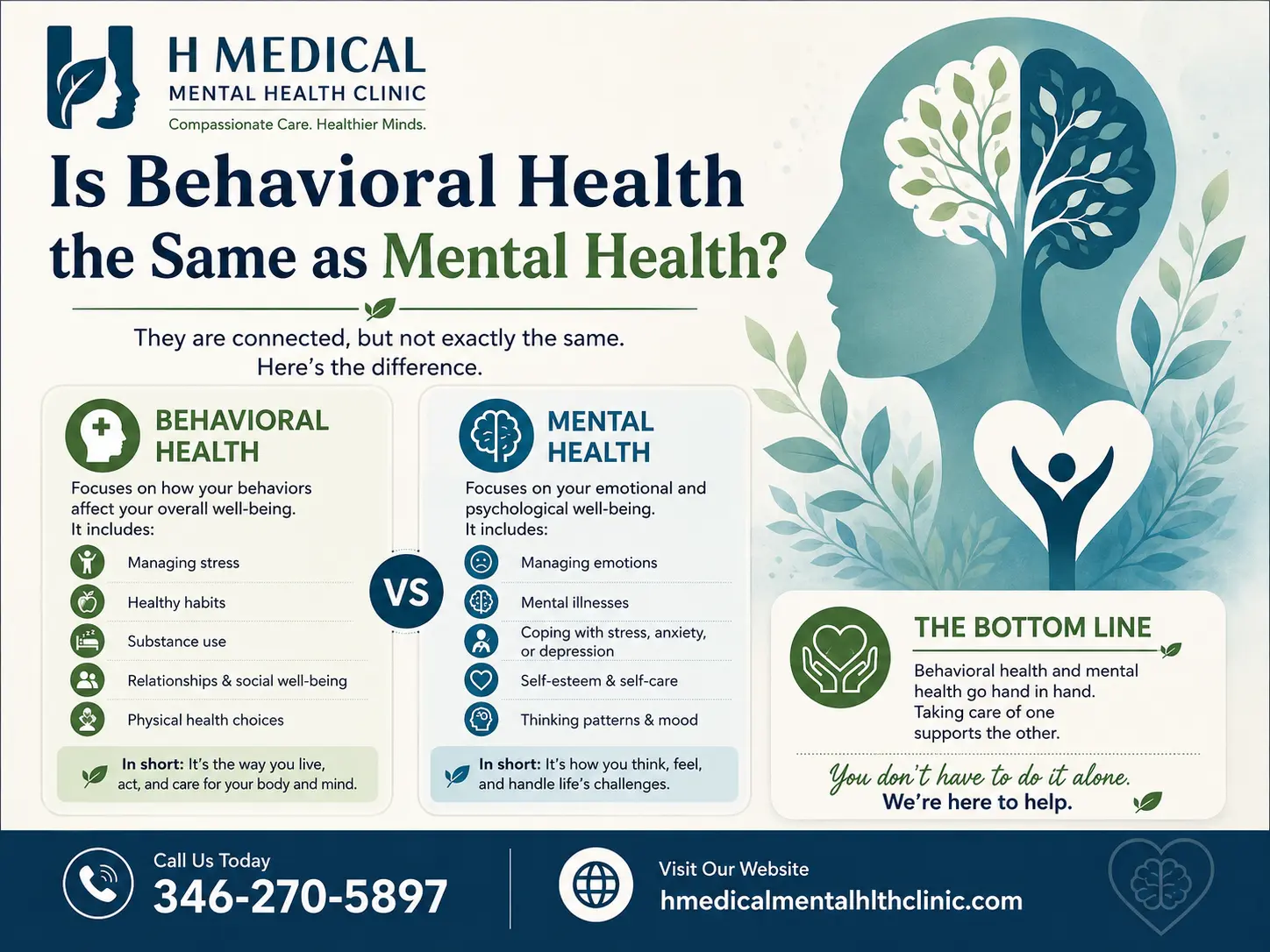
Is Behavioral Health the Same as Mental Health?
If you’ve ever wondered if “behavioral health” and “mental health” are just two ways to say the same thing, you’re definitely not alone. The short answer is: No, they’re not the same—but they do overlap a lot. Mental health is actually a part of behavioral health.
Behavioral health is a broader term. It covers not just mental health—like anxiety, depression, or mood disorders—but also things like habits, lifestyle choices, and how they affect your overall well-being. Think sleep, diet, substance use, and daily routines. Understanding the differences and connections matters, especially if you’re looking for help in clinics or through your doctor in Houston or anywhere else. This article sorts out what each term really means, so you know what to expect and how to talk about your needs with health professionals.
Understanding Behavioral Health Versus Mental Health: Overview and Key Points
So, what’s the real deal with these two terms? It’s not just about splitting hairs or using fancy language—knowing the difference between behavioral health and mental health actually shapes the way care is provided and received. For a lot of folks, these words get used like they mean the same thing. In truth, though, they each point to different, but closely related, aspects of our overall health.
Behavioral health casts a wide net, including how our habits, actions, and choices impact both our bodies and our minds. It’s like looking at the big picture—how we live, handle stress, or manage a chronic illness all count. Mental health, on the other hand, zooms in on our emotional and psychological state—our mood, thinking patterns, and relationships with others.
Why does this matter? Well, it can affect how clinics design their services, how insurance pays for care, and even how comfortable people feel reaching out for help. Sometimes, calling something “behavioral health” instead of “mental health” can lower the stigma, making it easier to seek support. Plus, the way communities, cultures, and even insurance companies use these terms has changed a lot over time. This high-level overview sets you up to understand the finer points—so you can make choices that fit your needs and know what you’re getting when you walk into a clinic or schedule a virtual visit.
What Is Behavioral Health and What Does It Include?
Behavioral health is a big umbrella—way bigger than just mental health alone. When clinics and professionals talk about “behavioral health,” they’re talking about all the ways our actions and habits affect our well-being. This includes stuff like how much you sleep, what you eat, your physical activity, whether you use tobacco or other substances, and even how you deal with stress or setbacks.
It’s not just about whether you have a mental illness or not. It’s about the daily choices we make—sometimes on autopilot—that add up and shape how we feel physically and mentally. Behavioral health providers may help with quitting smoking, managing chronic diseases like diabetes, building healthier sleep routines, or working on social habits that make relationships smoother.
In short: if it’s a behavior that could impact your health, it counts. This includes everything from counseling and therapy to wellness coaching, addiction treatment, and lifestyle medicine. Many clinics use “behavioral health” in their names or mission statements to let you know they treat the whole person. And in some communities—especially those where talking openly about “mental health” still carries stigma—using “behavioral health” as a term makes it easier for folks to reach out without feeling labeled.
How Mental Health and Behavioral Health Connect
Mental health sits right at the heart of behavioral health. If you think of behavioral health as the whole house, mental health is the living room—central, lived-in, and where a lot of important things happen.
Mental health covers your psychological state, emotions, and how you handle relationships or life changes. This includes conditions like depression, anxiety, mood disorders, or trauma. Because the way you cope, communicate, and make choices is shaped by your emotional state, mental health issues are always considered a core part of behavioral health care. That’s why clinics combine these services—you don’t get one without the other.
Core Components: Lifestyle, Habits, and Health in Behavioral Health Care
When it comes to behavioral health, it isn’t just about what’s going on in your head. It’s about how the things you do every day—on purpose or out of habit—add up to influence your overall health. This could be the food you reach for at breakfast, whether you get any exercise, how you wind down at night, or how quickly you open a second beer after work.
Behavioral health care pays close attention to these lifestyle pieces. That means providers are interested in your sleep habits, diet, exercise, relationships, and how you handle stress or anger. Good behavioral health care digs into these areas, not just to prevent mental health symptoms like anxiety or depression, but also because these habits can affect your physical health—think heart disease, diabetes, or even chronic pain.
Then comes the emotional side. How you react under pressure, the ways you cope with worries, and your ability to bounce back after tough times—these are all parts of behavioral health, too. This is where coping strategies and emotional regulation come into play. Some folks find group therapy and peer support help, while others might work on skills through one-on-one sessions or wellness coaching.
So, when clinics talk about developing a treatment plan, it usually blends attention to symptoms (like sadness or panic attacks) with real-life, everyday choices. The goal isn’t just to “fix” a diagnosis; it’s to help you build the kinds of habits that keep both your body and mind steady. It’s a whole-person approach—modern clinics recognize this and set up their services to meet needs in and outside the doctor’s office.
Overlapping Issues: Substance Use, Suicide, and Co-Occurring Disorders
If you’ve heard healthcare folks mention “co-occurring disorders” or “dual diagnosis,” here’s what they mean: a person dealing with both mental and behavioral health challenges at the same time. Maybe it’s depression and alcohol use, or chronic anxiety alongside pain medication misuse. The lines between mental health and behavioral health get blurry in real life, and the same goes for some of the most serious issues clinics and families face.
Substance use disorders like alcohol or drug addiction aren’t just about a habit—they’re both a behavioral and mental health issue. They rarely show up alone. Many times, people experiencing substance use problems are also struggling with untreated anxiety, PTSD, or depression. This mix can raise the risk of dangerous situations, including thoughts of suicide.
Suicide risk isn’t tied neatly to one category, either. It can be shaped by mental illness, but also by life choices, stress, substance abuse, or lack of support systems. That’s why many clinics and public health campaigns talk about suicide prevention and substance abuse together with mental and behavioral health care. With issues this complex, it’s not enough to treat just the “mental health” side or only the “behavioral” side—you need an integrated, all-hands approach. The next sections break down the real-world risks and what protective steps help save lives.
Mental Health and Suicide Prevention: Risk and Protective Factors
- Risk Factors for Suicide and Mental Health Crises: History of mental illness: Conditions like depression, bipolar disorder, schizophrenia, and anxiety disorders all raise risk. These diagnoses signal that someone may struggle with thoughts of self-harm or suicide, especially during tough periods.
- Substance use or addiction: Alcohol and drug abuse can cloud judgment and increase impulsivity. It’s common for people with addiction issues also to battle mental health challenges, combining to raise the danger level.
- Major life stressors: Events like job loss, divorce, legal trouble, bullying, or losing a loved one can tip the balance. Stressful events sometimes push someone already struggling closer to crisis.
- Lack of social support: Isolation, whether physical or emotional, makes it harder for someone in crisis to reach out for help. People who feel disconnected are at higher risk.
- History of suicide attempts or self-harm: Past attempts can be a strong predictor of future risk, showing that extra attention and support are needed going forward.
- Protective Factors That Reduce Risk: Strong relationships and community ties: Feeling connected to friends, family, religious groups, or cultural communities can act as a powerful safety net.
- Access to professional help: Knowing how to find and use mental health services, or having a trusted therapist or physician, can make early intervention possible.
- Problem-solving and coping skills: The ability to handle setbacks, ask for help, and seek out support when facing stress helps people manage tough times safely.
- Positive environment and hope for the future: Believing that things can improve and having even small goals or sources of pride can protect against despair.
Understanding both sides—the risks and the protective factors—gives families and professionals clear warning signs and strengths to build on, making prevention and support much more effective.
Improving Coping Mechanisms and Interpersonal Skills
- Practice Mindful Breathing and Relaxation: Taking a few moments each day to focus on your breathing, even just five minutes, can lower stress and help you respond calmly instead of reacting with anger or anxiety. Techniques like deep breathing, progressive muscle relaxation, or even short guided meditations can make a big difference.
- Build a Reliable Support Network: Nurturing friendships and family ties means you have people to turn to when things get tough. It’s also helpful to practice asking for help, sharing how you feel, and listening to others—these social skills can reduce feelings of isolation and build emotional strength.
- Develop Assertive Communication: Being able to express your needs and boundaries clearly, without aggression or passivity, helps prevent misunderstandings and reduces regrets later. Practicing “I statements” (like “I feel…” or “I need…”) is a great place to start.
- Use Healthy Distraction and Problem-Solving: When you feel overwhelmed, having a go-to list of positive activities—like listening to music, taking a walk, or cooking—can keep your mind grounded. Tackling smaller problems first or asking for advice can also boost your confidence in handling bigger challenges.
- Reflect and Learn from Experiences: Taking time to think about what works—and what doesn’t—after stressful events helps build self-awareness. This can help you spot patterns, avoid repeating mistakes, and celebrate small wins along the way.
Integrating Behavioral Health into Primary Care with BHI Practices
Behavioral Health Integration (BHI) is changing the game in primary care clinics, especially in places like Houston where demand for all-in-one care is growing. With BHI, your mental and behavioral health concerns are addressed right along with your physical health—no need to shuttle between offices or retell your story six times. You get a chance to tackle your overall health as a whole, rather than treating mental health as an afterthought.
This model often means having behavioral health providers, like therapists or counselors, working in the same space (or virtually) with your primary care doctor. Whether it’s anxiety, chronic pain, blood pressure that won’t budge, or concerns about your child’s mood, the team works together. Integrated clinics put a premium on prevention and early intervention. For example, you might screen for depression or substance use right at a wellness visit, and get immediate support instead of waiting months for a specialist.
BHI practices use shared electronic health records, regular team huddles, and evidence-based checklists so nothing falls through the cracks. Insurance companies and policy makers tend to favor these models—many plans reimburse integrated care at better rates, making access easier. Patients, especially those in culturally diverse communities, report feeling more respected and supported when their health care is this connected. If you’re looking for more complete support, clinics like Houston Medical-Mental Health Clinic are designed with this integrated approach in mind, blending expert help for both mind and body under one roof.
Resources and Technology to Accelerate Behavioral Health Access
- Telemedicine and Virtual Visits: With secure video platforms, you can connect with therapists, counselors, or behavioral health coaches from home or work. This is especially useful for families in rural Texas or anyone wanting more privacy.
- Mobile Health Apps: Apps for mood tracking, stress management, appointment reminders, or guided meditation can be a game-changer for sticking with healthy routines or getting help between visits. Many are free or low-cost and work for both adults and teens.
- Online Support Communities: Safe, moderated forums and groups let folks connect anonymously to share stories, offer advice, and ask questions. This helps break isolation and gives practical, real-world guidance on mental and behavioral health struggles.
- Automated Scheduling and Provider Directories: Websites for clinics and hospital systems often feature quick appointment scheduling tools and searchable lists so you can find a behavioral health professional for yourself, your child, or a family member—no waiting on the phone for hours.
- Resource Hotlines and Statewide Helplines: Programs like the National Suicide Prevention Lifeline or Texas’s behavioral health helplines give immediate support, referrals, and guidance 24/7—vital for anyone facing a crisis or unsure where to start.
Key Points and Next Steps: What to Remember About Behavioral and Mental Health
- Mental health is just one part of behavioral health. The two terms overlap, but behavioral health covers broader habits and lifestyle choices, not just mood or psychiatric conditions.
- Integrated care brings better results. Clinics that treat mind and body together—like those practicing Behavioral Health Integration—are shown to boost health outcomes and access to care.
- Stigma is real, but words can help. Some people find “behavioral health” less stigmatizing, making it easier to reach out for support when they need it.
- Technology breaks down barriers. Telemedicine, apps, and online resources make it simpler to get help for yourself or someone you love, no matter where you live.
- If you or your family is struggling, don’t wait. Reach out to a local behavioral health provider or talk to your primary care doctor. Support and recovery are possible, and every step counts.
Frequently Asked Questions (FAQs)
- Is behavioral health the same as mental health?
No, they are not identical. Behavioral health is a broader umbrella term that includes mental health as well as habits, daily routines, lifestyle choices, and substance use that impact overall physical and emotional well-being. Mental health focuses specifically on your psychological state, mood, thought patterns, and emotional health.
- What falls under the category of behavioral health?
Behavioral health includes:
- Mental Health Conditions: Anxiety, depression, mood disorders, trauma, and PTSD.
- Daily Habits & Lifestyle: Sleep patterns, nutrition, exercise routines, and stress management.
- Substance Use & Addictions: Alcohol, tobacco, and substance misuse treatment.
- Chronic Disease Behavior: Managing lifestyle factors for conditions like diabetes or heart disease.
- What is a "co-occurring disorder" or "dual diagnosis"?
A co-occurring disorder (or dual diagnosis) occurs when someone experiences both a mental health condition and a behavioral health challenge at the same time—such as struggling with depression alongside an alcohol or substance use disorder.
- What is Behavioral Health Integration (BHI)?
Behavioral Health Integration is a primary care model where physical healthcare, psychiatric evaluations, and psychotherapy are provided together under one roof. Instead of visiting separate clinics, patients work with an integrated team that coordinates medical and mental health care seamlessly.
- Why do some clinics use the term "behavioral health" instead of "mental health"?
Using "behavioral health" helps take a whole-person approach that looks at physical habits and emotional well-being together. It can also reduce the social stigma sometimes attached to traditional mental health care, making it easier for individuals to reach out for support.