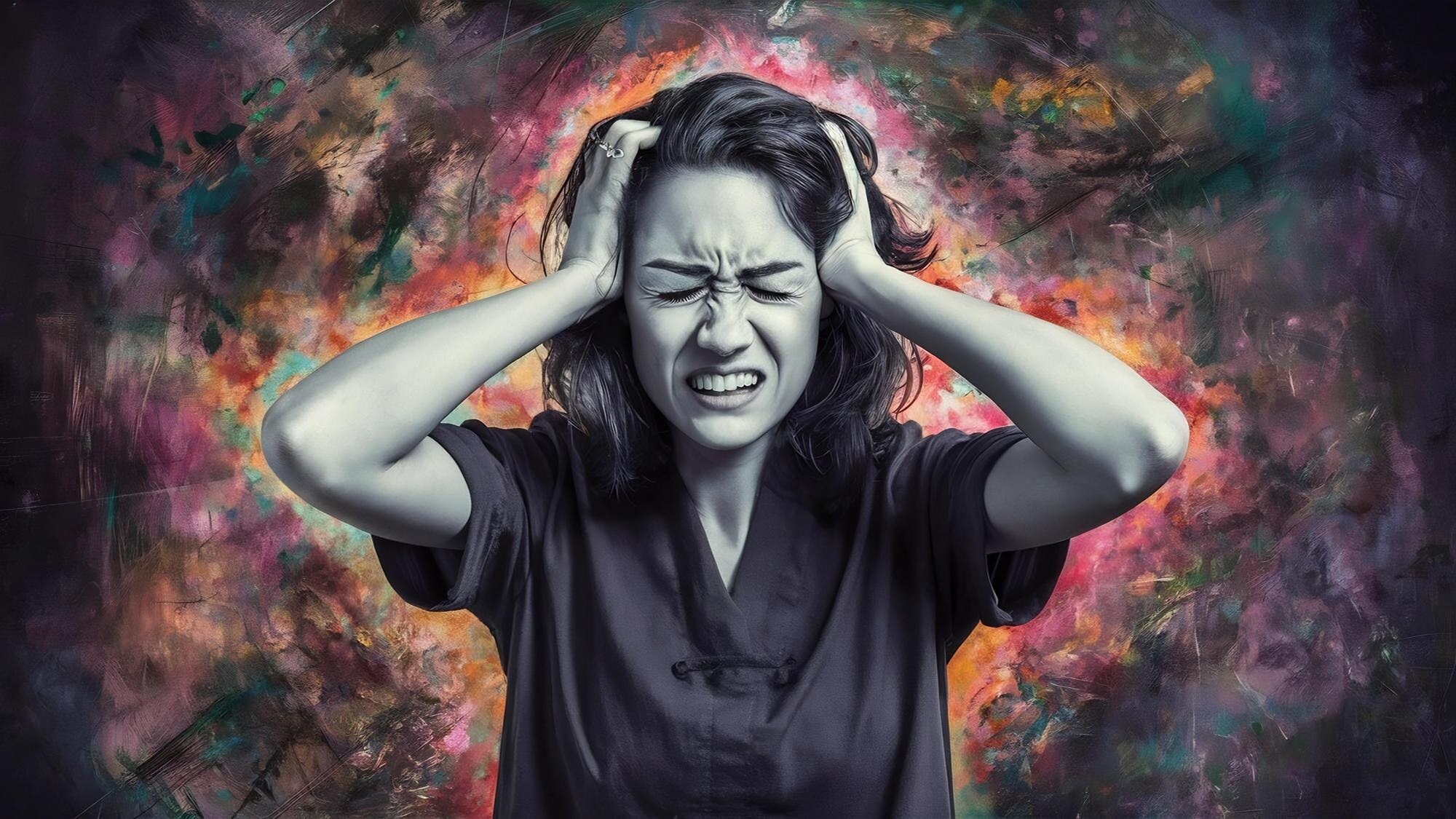
Panic attacks are sudden episodes of very strong fear that can be overwhelming and frightening. Because of the intensity of the physical symptoms, many people believe they are experiencing a heart attack or another serious medical condition. Understanding panic attack symptoms, knowing the causes of panic attacks, and learning about available treatment options can help individuals receive timely and effective care.
At H Medical Mental Health Clinic, we specialize in diagnosing and treating anxiety disorders, including panic disorder, using evidence-based approaches tailored to each individual.
What Are Panic Attacks?
A panic attack is a sudden wave of intense fear or discomfort that peaks within minutes. These episodes may occur unexpectedly or be triggered by certain situations.
While occasional panic attacks can happen during stressful periods, frequent or recurring episodes may indicate panic disorder, a type of anxiety disorder that requires professional treatment.
Unlike general stress or worry, panic attacks can occur without warning and may cause severe physical reactions even when there is no real danger.
Signs and Symptoms of a Panic Attack
Recognizing the signs of a panic attack is essential for early intervention. Symptoms typically reach their peak within 10 to 20 minutes and can affect both the body and the mind.
Physical Symptoms of Panic Attacks
Common physical symptoms include:
-
Rapid or pounding heartbeat
-
Chest pain or discomfort
-
Shortness of breath
-
Sweating
-
Trembling or shaking
-
Dizziness or lightheadedness
-
Nausea or stomach distress
-
Chills or hot flashes
-
Numbness or tingling sensations
Because these symptoms closely resemble heart-related conditions, many individuals seek emergency care during their first episode.
Emotional and Psychological Symptoms
In addition to physical symptoms, panic attacks may include:
-
Intense fear or a sense of impending doom
-
Fear of losing control
-
Fear of dying
-
Feeling detached from reality (derealization)
-
Feeling detached from oneself (depersonalization)
Although these episodes can feel life-threatening, panic attacks themselves are not physically dangerous.
Anxiety vs. Panic Attacks: What’s the Difference?
Anxiety and panic attacks both involve fear, but they are different in intensity and onset.
-
Anxiety usually develops gradually and is linked to ongoing stress or concerns.
-
Panic attacks occur suddenly, are intense, and typically last a short period of time.
Understanding this difference helps mental health professionals accurately diagnose panic disorder or other anxiety-related conditions and recommend the appropriate treatment plan.
What Causes Panic Attacks?
There is no single cause of panic attacks. However, several factors can increase the risk.
1. Genetic Factors
Research shows that individuals with a family history of anxiety disorders are more likely to experience panic attacks. Genetics may influence how the brain processes fear and stress.
2. Brain Chemistry
Imbalances in neurotransmitters such as serotonin, dopamine, and norepinephrine may contribute to recurring panic symptoms and heightened fear responses.
3. Major Life Stress
Significant life events—such as job loss, divorce, trauma, or the death of a loved one—can trigger the first panic attack.
4. Medical Conditions
Certain medical issues can mimic or trigger panic attack symptoms, including:
-
Thyroid disorders
-
Heart rhythm abnormalities
-
Respiratory conditions
-
Hormonal imbalances
A proper medical evaluation is important before confirming a diagnosis of panic disorder.
5. Substance Use
Excessive caffeine, stimulant medications, alcohol withdrawal, or recreational drug use can increase the likelihood of panic attacks.
Risk Factors for Panic Disorder
You may be at higher risk of developing panic disorder if you:
-
Experience frequent, unexpected panic attacks
-
Avoid places due to fear of another episode
-
Live with chronic stress
-
Have a history of trauma
-
Have other mental health conditions such as anxiety or depression
Early diagnosis and professional mental health care can prevent symptoms from worsening.
When to Seek Professional Help
You should seek help from a licensed mental health professional if:
-
Panic attacks occur frequently
-
Symptoms interfere with work or relationships
-
You avoid social or public places
-
You constantly worry about future attacks
At H Medical Mental Health Clinic, our specialists provide comprehensive evaluations and individualized treatment plans for panic disorder.
How Are Panic Attacks Diagnosed?
Diagnosis involves a thorough clinical evaluation, including:
-
Review of symptom history
-
Assessment of frequency and severity
-
Identification of possible triggers
-
Medical examination to rule out physical causes
If recurrent panic attacks are followed by at least one month of ongoing fear about additional episodes, a mental health professional may diagnose panic disorder.
Treatment Options for Panic Attacks
Effective treatment often includes a combination of therapy, medication, and lifestyle changes.
1. Cognitive Behavioral Therapy (CBT)
Cognitive Behavioral Therapy (CBT) is considered one of the most effective treatments for panic disorder. It helps individuals:
-
Identify and challenge negative thought patterns
-
Reduce fear-based responses
-
Develop coping strategies
-
Gradually confront avoided situations
CBT has been shown to significantly reduce the frequency and intensity of panic attacks.
2. Medication for Panic Attacks
In some cases, medication may be recommended. Common options include:
-
Selective Serotonin Reuptake Inhibitors (SSRIs)
-
Serotonin-Norepinephrine Reuptake Inhibitors (SNRIs)
-
Short-term anti-anxiety medications
Medication can help regulate brain chemistry and reduce severe symptoms, particularly when combined with therapy.
3. Exposure Therapy
Exposure therapy gradually introduces feared situations in a safe and controlled manner. Over time, this approach reduces avoidance behaviors and builds confidence.
4. Lifestyle Changes
Healthy habits support overall mental health treatment, including:
-
Regular physical activity
-
Adequate sleep
-
Limiting caffeine and alcohol
-
Balanced nutrition
-
Stress management techniques
Coping Strategies During a Panic Attack
While professional care is essential for ongoing episodes, these strategies may help during an active panic attack:
Deep Breathing
Slow, controlled breathing helps calm the nervous system and reduce physical symptoms.
Grounding Techniques
Use the 5-4-3-2-1 method to focus on your surroundings—identify things you can see, hear, feel, smell, and taste.
Positive Self-Talk
Remind yourself that the episode will pass and that you are safe.
Progressive Muscle Relaxation
Tense and relax muscle groups one at a time to reduce physical tension.
Long-Term Outlook
The good news is that panic attacks are treatable. With proper mental health care, many individuals experience significant improvement or complete recovery. Early treatment reduces the risk of complications such as:
-
Social isolation
-
Workplace difficulties
-
Substance misuse
-
Co-occurring depression
Ongoing therapy and support play a key role in long-term stability.
Why Seek Professional Treatment?
Untreated panic disorder can worsen over time. Working with experienced mental health professionals ensures:
-
Accurate diagnosis
-
Personalized treatment plans
-
Evidence-based therapies
-
Continued guidance and support
At H Medical Mental Health Clinic, we are committed to helping individuals regain control of their lives through compassionate and comprehensive anxiety disorder treatment.
Conclusion
Panic attacks can be frightening, but they are manageable with the right support and treatment. Recognizing the symptoms, understanding the causes, and seeking timely professional care are essential steps toward recovery.
If you or someone you care about is experiencing recurring panic attacks, professional treatment can make a meaningful difference. Effective therapy, appropriate medication when needed, and healthy lifestyle changes can restore confidence and improve overall quality of life.